
Blog
Why choose EcoBio, Sustainable, and Vegan certified cosmetics: beauty that respects your skin and the planet
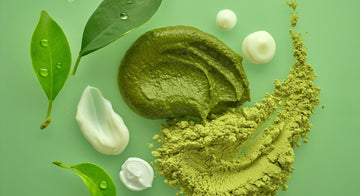
In recent years, more and more people are choosing to take conscious care of their skin, opting for eco-friendly and vegan cosmetics. But what does using "green" beauty products really mean? And what are the benefits, both for ourselves and for the environment?
In this article, we explain why switching to organic and vegan cosmetics is not just a trend , but an ethical, healthy, and sustainable choice.
Ecobio cosmetics, in fact, represents a production model that seeks to minimize environmental impact, to use organic raw materials whenever possible, and to achieve a final product that is highly biocompatible with our skin.
Organic cosmetics: natural ingredients and skin safety
Certified organic cosmetics are formulated with natural ingredients and the necessary presence of raw materials from organic farming , therefore free from pesticides, chemical fertilizers, or GMOs. Unlike traditional cosmetics, they do not contain synthetic substances such as parabens, silicones, petrolatum, or artificial fragrances.
Their main benefits:
- Less irritation and allergies: they are also perfect for sensitive skin.
- Greater long-term tolerability: Natural ingredients work in harmony with the skin's balance.
- Rich in natural active ingredients: derived from vegetable oils and plant extracts, rich in vitamins and minerals.
Vegan cosmetics: no ingredients of animal origin
A vegan product does not contain any animal derivatives (such as lanolin, animal collagen, beeswax, carmine and no…not even honey!).
Choosing a vegan cosmetic product is an important ethical choice for animal welfare. It's a choice that goes beyond adopting a vegan diet, but is part of a more ethical approach that respects the planet and the species that inhabit it.
Please note: "Cruelty-free" and "vegan" are not synonymous. A product can be cruelty-free but contain ingredients of animal origin. Cruelty-free indicates the absence of cosmetic testing on live animals, such as laboratory animals.
Please remember that in Europe, all cosmetic products on the market are cruelty-free by law , even those without a specific logo.
How to recognize a truly organic and vegan product?
To make an informed choice, we recommend consulting third-party product certifications to ensure there's a vetting body that can verify and guarantee the company's claims. Today, marketing can be misleading, so it's important to rely on official certifications , such as:
- BIO : AIAB, Ecocert, ICEA
- VEGAN : VeganOK, The Vegan Society, PETA Certified
Checking the INCI (ingredients list) and certifications is the only way to be sure of the quality and ethics of the product and defend yourself from companies that implement greenwashing practices.
Unfortunately, there are currently no suitable and effective laws to protect consumers from greenwashing . In this scenario, where everything can appear organic or sustainable, even when it isn't, monitoring by certification bodies is the best way to fill this gap.
At Phitofilos, for example, we have chosen AIAB and Qcert as certification bodies and have been adhering to the VeganOK standards for years.
Conscious Beauty: A Personal But Powerful Choice
Switching to organic and vegan cosmetics is a small daily gesture that can have a big impact, not only on the health of our skin, but also on that of the planet.
It's not just about what we put on our body and hair, but about the contribution we want to make, in our own small way, to respecting the environment .
In addition to careful formulation, eco-friendly and vegan cosmetics should also be accompanied by eco-sustainable and recyclable packaging and produced with greater attention to resource consumption and emissions, striving to minimize environmental impact.
For example, at Phitofilos we use recycled paper and plastic whenever possible and also try to employ new sustainable materials, such as a special ecological paper made from the waste of agro-industrial corn processing (upcycling), which we use for the wrapping of the Face Mask Set.
This is because we believe that concrete action is needed to move towards increasingly green cosmetics production!
Today, a very interesting parameter with which to evaluate the sustainability of a product is, for example, the carbon footprint , i.e. the measure of the environmental impact in terms of greenhouse gas emissions.
By following this parameter, we can discover, for example, how in many cases glass is low-impact only when handled in limited geographical areas (its specific weight increases emissions from the trucks that transport it compared to recycled plastic, and its breakability increases the risk of recalls and returns of goods). Or the impact that some solid cosmetics can have if their production requires higher temperatures and multiple steps that wouldn't be necessary with liquid cosmetics. This doesn't apply to all products, but it's interesting to see what we're being told from other perspectives we might not be aware of.
And you, have you already started your journey into natural beauty?
If you want advice on how to approach this type of cosmetics, follow us on our channels and write to us! 🌿


